Record Rainfall Devastates Eastern Japan, Killing Eight and Stranding Thousands at Narita Airport
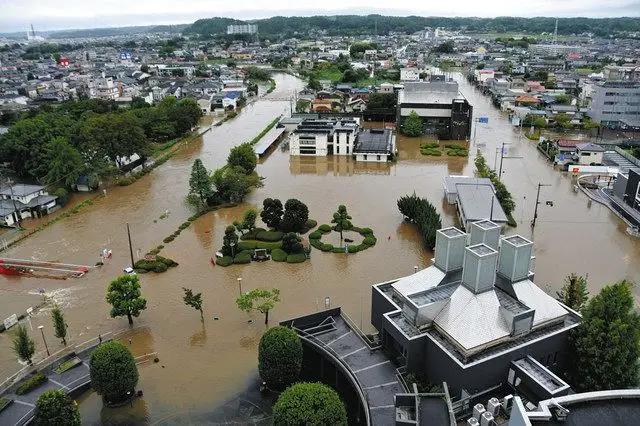
TOKYO — August 14, 2026 — Eastern Japan has been hit by exceptionally heavy rainfall that caused widespread flooding, disrupted transport and power supplies, and left thousands of travelers stranded at Tokyo’s Narita International Airport.
Chiba Prefecture, located east of Tokyo, was among the hardest-hit areas. More than 360 millimeters of rain fell in just 24 hours in parts of the region, exceeding the previous rainfall record of 309 millimeters set in October 2013. The extreme downpours overwhelmed roads, railways and drainage systems, sending floodwaters through residential areas and leaving vehicles partially or completely submerged.
At least eight people have died, according to the latest reports, with some victims found in flooded streets or inside vehicles trapped by rapidly rising water. Emergency teams have been deployed to affected communities, while authorities continue to warn residents about the risk of further flooding and landslides.
The disaster also caused major disruption at Narita International Airport, one of Japan’s main gateways. Around 7,000 passengers were stranded overnight after roads and railway services connecting the airport to surrounding areas were severely disrupted. Airport staff provided passengers with sleeping bags, water and other basic supplies while transportation services gradually resumed.
The impact extended beyond transportation. More than 20,000 homes were still without electricity after floodwaters affected electrical infrastructure, while gas supplies were temporarily disrupted for thousands of households. Emergency shelters were opened in several municipalities as residents were advised to move to safer locations.
Japanese authorities issued their highest-level heavy-rain warning for parts of Chiba during the worst of the rainfall, an indication of the exceptional danger posed by flooding and landslides. Although the most severe warnings were later downgraded, officials continued urging residents to remain vigilant because saturated ground and swollen rivers could create additional hazards.
The extreme weather struck during one of Japan’s busiest holiday periods, further complicating the situation for travelers. Train cancellations, flooded roads and airport congestion created widespread delays across the greater Tokyo region.
Weather experts have also highlighted the broader concern surrounding increasingly intense rainfall events. Scientists have linked the growing frequency and severity of extreme precipitation in many parts of the world to a changing climate, although individual weather events can have multiple contributing factors.
For Japan, the immediate priority remains rescue operations, restoring essential services and protecting residents in areas still threatened by flooding and landslides. Authorities are continuing to monitor weather conditions closely as emergency crews work to assess the full extent of the damage.
The disaster is a stark reminder of the growing challenges posed by extreme weather to densely populated urban regions and critical infrastructure.


