Global Markets in Turmoil as Oil Surges Above $100 and Inflation Fears Return
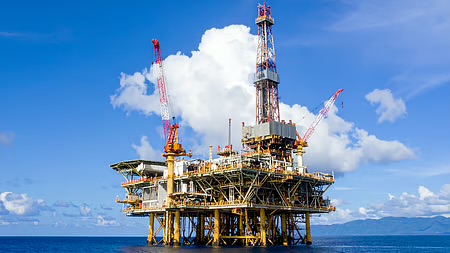
Global financial markets are facing renewed turbulence as oil prices surge above $100 a barrel, reviving fears of persistent inflation and putting investors on alert over the future path of interest rates.
Stock markets came under pressure as investors assessed the potential economic consequences of the sharp increase in energy prices. The latest developments have added another layer of uncertainty to an already fragile global economic environment.
Brent crude, the international benchmark, climbed to around $105 a barrel, while U.S. crude also moved above the $100 threshold. The dramatic rise reflects growing concerns over global energy supplies amid escalating geopolitical tensions in the Middle East.
Oil Becomes the New Inflation Threat
The surge in oil prices is raising concerns that inflation could accelerate again.
Higher energy costs can quickly spread through the economy, increasing transportation expenses, industrial production costs and household energy bills. Companies facing higher operating costs may also pass part of these increases on to consumers.
This creates a difficult situation for central banks, which are already attempting to balance inflation control with economic growth.
Wall Street Under Pressure
The latest oil shock has weighed on U.S. equities.
The Dow Jones, S&P 500 and Nasdaq have all faced renewed selling pressure as investors reassess the outlook for corporate earnings and interest rates.
Technology companies are particularly sensitive to higher borrowing costs because their valuations often depend on expectations of strong future growth.
A prolonged period of high oil prices could therefore create a double challenge for investors: rising costs for businesses and tighter monetary conditions.
Treasury Yields Rise
The pressure is also visible in the U.S. bond market.
The yield on the 10-year Treasury note has approached 5%, while the 30-year yield has climbed to levels not seen since the late 2000s.
Higher Treasury yields increase the cost of borrowing across the economy. Mortgages, corporate financing and government debt can all become more expensive, potentially slowing economic activity.
For investors, higher bond yields can also make government securities more attractive relative to riskier assets such as stocks.
Investors Turn to Inflation Data
Markets are now waiting for fresh U.S. inflation figures for clues about the Federal Reserve’s next move.
If inflation proves stronger than expected, investors could reduce expectations for interest-rate cuts and prepare for a longer period of restrictive monetary policy.
Conversely, signs that inflation remains under control could provide some relief to stock and bond markets.
The uncertainty has increased market volatility, with investors reacting rapidly to movements in oil prices, bond yields and geopolitical developments.
A Difficult Moment for Central Banks
Central banks around the world are facing an increasingly complicated economic landscape.
They must prevent inflation from becoming entrenched while avoiding policies that could trigger a significant slowdown or recession.
The problem becomes more difficult when inflation is driven by external factors such as energy prices. Raising interest rates cannot directly increase oil supplies, but it can weaken demand and limit the second-round effects of higher energy costs.
What Comes Next?
The direction of oil prices could become one of the most important factors for global markets in the coming weeks.
If crude remains above $100 a barrel for an extended period, inflationary pressure could spread across major economies. That could delay interest-rate cuts, increase borrowing costs and place further pressure on global equities.
However, any easing of geopolitical tensions or improvement in energy supply expectations could quickly reduce oil prices and provide relief to financial markets.
For now, investors remain cautious.
Oil prices, inflation and interest rates have once again become the three key forces shaping the global financial landscape — and markets are preparing for further volatility.