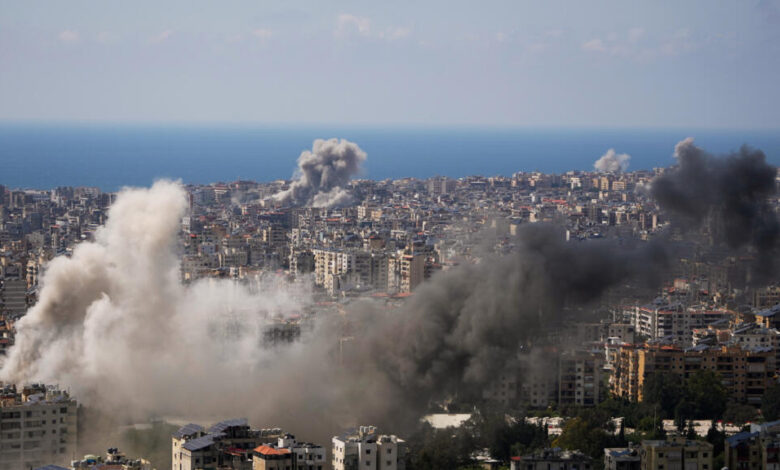
The ongoing situation involving Israel is marked by continuous fighting on the ground, with regular exchanges of airstrikes and rocket fire that sustain a climate of instability across the region. These confrontations are primarily taking place along sensitive frontlines, including areas near the border with Lebanon and within the Gaza Strip, where tensions remain particularly high. Armed groups such as Hezbollah and Hamas continue to play a central role in these hostilities, launching rockets and engaging in armed operations that are often met with retaliatory strikes.
The persistence of these clashes reflects a broader pattern of conflict that has become increasingly difficult to contain. Military actions are frequently triggered by specific incidents, but they quickly escalate due to the absence of lasting ceasefire agreements and the deep mistrust between the parties involved. The use of advanced weaponry, including precision airstrikes and long-range rockets, has intensified the scale of the violence, raising concerns about the potential for wider regional escalation.
Beyond the immediate military dimension, these ongoing confrontations are deeply connected to regional geopolitical dynamics. Iran is widely regarded as a key supporter of certain armed groups, which adds another layer of complexity to the conflict and increases tensions between regional and international actors. This interconnectedness means that even localized clashes carry the risk of triggering broader confrontations involving multiple countries.
The humanitarian consequences of the continued fighting are severe. Civilians living in affected areas face constant threats to their safety, with many forced to flee their homes or live under the fear of sudden attacks. Infrastructure such as hospitals, schools, and essential services is often damaged or disrupted, making access to basic needs increasingly difficult. The prolonged nature of the conflict has also contributed to psychological stress and long-term social challenges for populations on all sides.
Efforts to de-escalate the situation through diplomatic channels have so far struggled to produce lasting results. Temporary truces have occasionally reduced the intensity of the violence, but they rarely hold for long, as underlying political and security issues remain unresolved. The continuation of strikes and rocket exchanges highlights the fragility of the current situation and the difficulty of achieving sustainable peace in a context defined by competing interests, historical grievances, and ongoing regional rivalries.