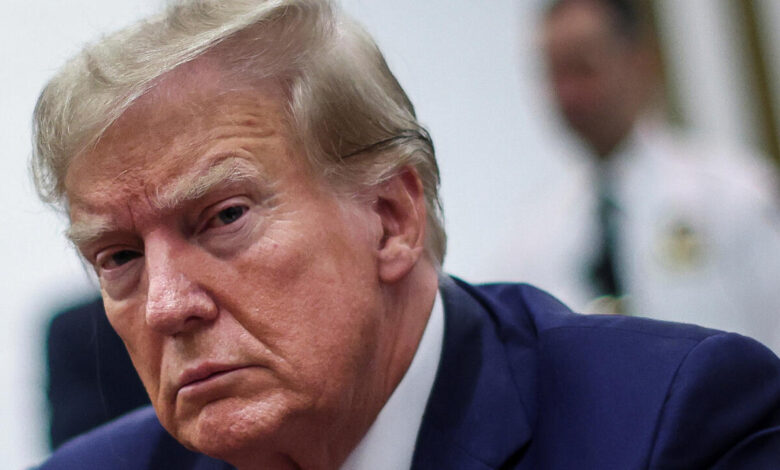
Recent statements by U.S. President Donald Trump have marked a significant shift in the already fragile relationship between the United States and Iran. Trump declared that the memorandum of understanding previously reached with Iran is no longer valid from his perspective, signaling the collapse of the temporary diplomatic framework that had been intended to reduce tensions between the two countries. He also stated that he no longer wishes to communicate or negotiate with the Iranian leadership, using unusually harsh language to describe them. Referring to Iranian officials as “sick people,” Trump made it clear that he believes further dialogue would be unproductive.
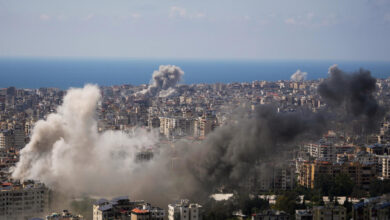
These remarks came after a series of escalating events in the region, including renewed military confrontations, attacks on commercial shipping, and growing accusations between Washington and Tehran. The United States has blamed Iran for actions that threaten regional security, while Iran has rejected these accusations and criticized the American military response. As a result, the atmosphere of distrust has deepened, making the possibility of returning to meaningful negotiations increasingly uncertain.
The collapse of the memorandum of understanding raises concerns among international observers who fear that the absence of diplomatic engagement could increase the risk of further conflict. Many analysts believe that communication channels, even during periods of severe disagreement, remain essential for preventing misunderstandings and limiting the possibility of military escalation. Others argue that Trump’s tough stance is intended to increase pressure on Iran and demonstrate a policy of strength rather than compromise.
The international community is closely monitoring the situation, as any further deterioration in U.S.-Iran relations could have significant consequences for global energy markets, regional stability, and international security. The Strait of Hormuz, through which a large portion of the world’s oil supply passes, remains a particularly sensitive area where any escalation could affect global trade and fuel prices.
Although Trump’s comments reflect his administration’s current position, the future of U.S.-Iran relations remains uncertain. Diplomatic efforts by other countries or international organizations may still create opportunities for renewed dialogue. However, with tensions remaining high and mutual trust at a very low level, achieving a lasting political solution will require substantial efforts from all parties involved.